Building a manual outbound process is like being on a treadmill. You have to keep running just to stay in the same place. Most sales teams spend 60% of their time on “pre-sell” activities: hunting for emails, cleaning spreadsheets, and manually pushing data into the CRM. It’s noisy, it’s slow, and it’s the fastest way […]
Building a manual outbound process is like being on a treadmill. You have to keep running just to stay in the same place.
Most sales teams spend 60% of their time on “pre-sell” activities: hunting for emails, cleaning spreadsheets, and manually pushing data into the CRM. It’s noisy, it’s slow, and it’s the fastest way to burn out your best reps.
Winning GTM teams have moved past this. They’ve built an automated outbound machine, or a system that turns prospecting from a manual chore into a continuous flow.
And the teams that are able to successfully implement these outbound machines have more conversations with the right people.
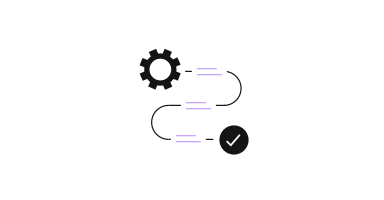
Below, we break down the four-step blueprint for building an outbound machine that books meetings while you sleep.
1. The foundation: A dynamic ICP filter
An automated machine is only as good as the fuel you put in it.
If your ideal customer profile (ICP) is vague, your automation will just help you spam the wrong people faster.
Stop building static lists. Instead, create a dynamic filter based on firmographic and technographic data.
The play: Define the “must-haves” for a target account—industry, headcount growth, and the tools they already use (e.g., Salesforce or HubSpot). When a company hits those markers, they should automatically enter your machine.
2. The engine: Continuous CRM enrichment
The biggest bottleneck in outbound is the manual research gap. This is the time a rep spends moving between LinkedIn and the CRM to find a phone number.
A true outbound machine eliminates this gap using CRM enrichment. Instead of reps adding leads, Lusha adds verified data directly into your CRM records.
The strategy:
- Automate: Set a workflow to enrich any new account that matches your ICP.
- Verify: Ensure every contact has a verified email and a direct mobile number before it ever hits a sales sequence.
- Maintain: Use data hygiene to automatically update titles or contact info if a prospect moves companies.
3. The spark: signal-based triggers
Generic cold outreach is dying. Relevant outreach is thriving. Your machine shouldn’t just send emails. It should send them when the timing is right.
Winning machines use signal triggers to launch outreach based on real-world events.
The strategy:
- Job changes: A new VP of Sales is 3x more likely to buy a new tool in their first 90 days.
- Funding rounds: A Series B announcement usually means a mandate to scale and the budget to back it up.
- Intent signals: If an account is researching “data enrichment,” your machine should trigger a specific sequence immediately.
The talk track (the signal-led intro):
“I noticed [Company] just announced your Series B—congratulations. Usually, that means scaling the outbound team is a top priority. Most teams at this stage struggle with [Specific Pain]. Thought I’d reach out to share how we helped [Peer Company] automate their data flow during their scale-up.”
4. The output: Multi-threaded sequences
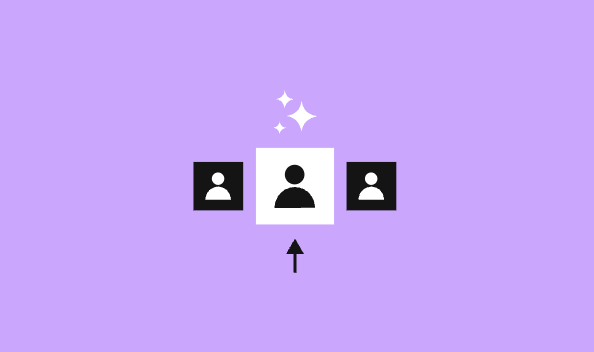
An outbound machine doesn’t just target one person; it maps the whole account.
If you only email the BDR Manager, you’re missing the RevOps leader who owns the budget and the AE who feels the pain.
Your automated machine should enroll 3–5 stakeholders into role-specific sales sequences simultaneously.
The strategy:
- The user: Focus on saving time and eliminating manual work.
- The manager: Focus on pipeline predictability and team activity.
- The economic buyer: Focus on ROI.
Scale your outreach with automation
An automated outbound machine isn’t about replacing the human element of sales. It’s about freeing your team to actually sell.
When the research, enrichment, and triggers are automated, your reps can focus on what they do best: building relationships and closing deals.
Keep reading: